Caribbean Food Centennial: A Celebration of Culinary Resilience
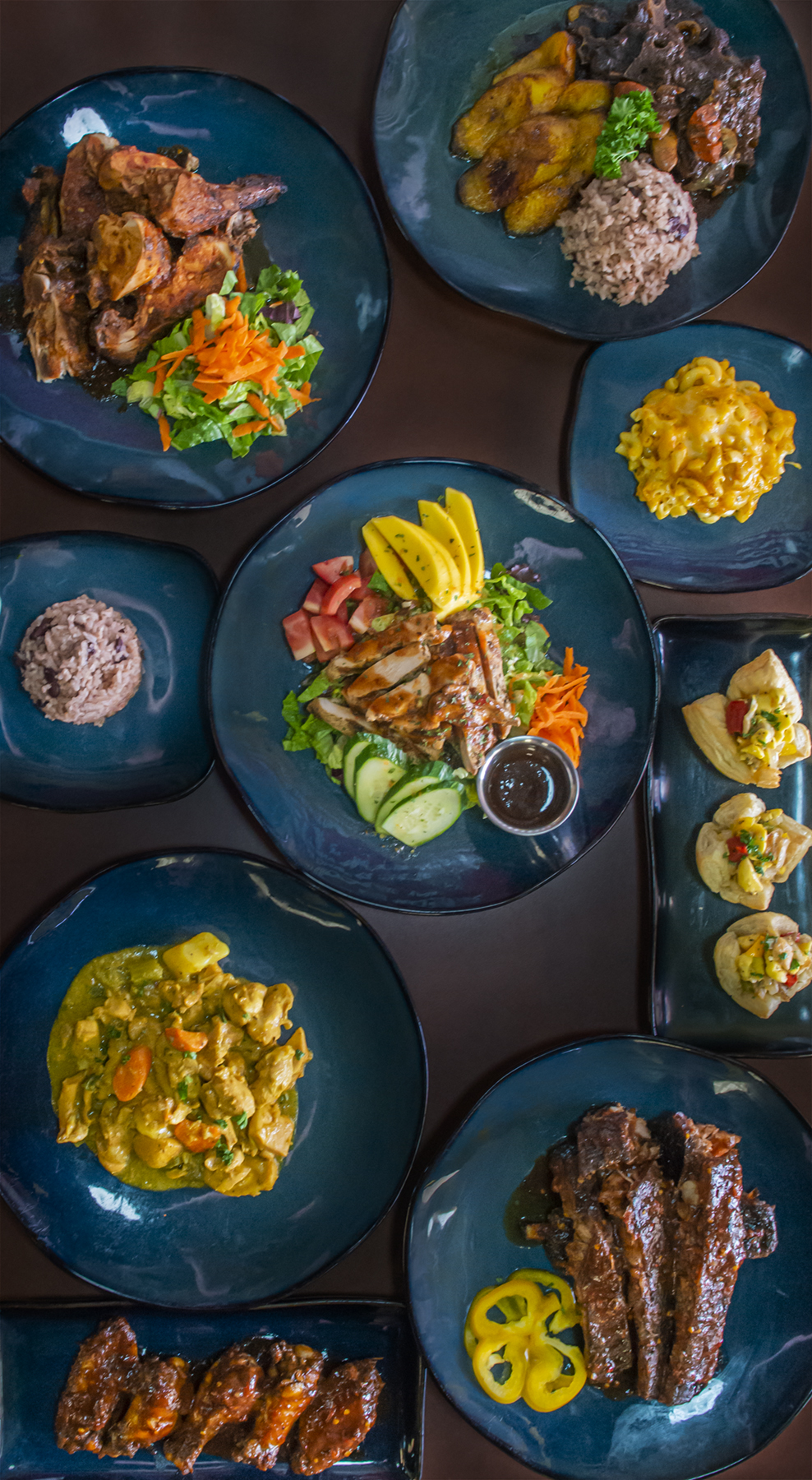
A centennial invites memory, but it also demands honesty. When we talk about a Caribbean food centennial, we are not only marking one hundred years of recipes passed from hand to hand. We are recognizing one hundred years of adaptation under pressure, ingenuity under scarcity, and pleasure that refused to disappear even when history made daily life hard. Caribbean cooking has always carried more than flavor. It carries migration routes, plantation economies, Indigenous knowledge, African survival, Asian influence, religious practice, market culture, and family pride.
That is why a true celebration of Caribbean food cannot be reduced to a festival plate or a tourism slogan. The region’s cuisine is bright and generous, yes, but it is also built from difficult inheritances. Saltfish became beloved partly because preserved imports fit the brutal arithmetic of colonial trade. Ground provisions endured because they fed households when wheat and other imported staples were unreliable or expensive. Pepper sauces preserved ingredients and sharpened meals, but they also reflected climate, agriculture, and the practical need to make food last. Resilience in this context is not a decorative word. It describes how cooks, vendors, fishers, farmers, and home kitchens built continuity from fracture.
Over the past century, that resilience has shown itself in ways both quiet and dramatic. A grandmother stretching one pot to feed unexpected guests is part of the same story as a chef reworking cassava and breadfruit for a modern tasting menu. A roadside jerk pan in Jamaica, a doubles stand in Trinidad, a Dominican comedor serving rice, beans, and stewed chicken, a Bajan fish cutter wrapped for the lunch crowd, all belong in the same conversation. Each represents a food culture that has stayed alive because people insisted on keeping it useful, delicious, and relevant.
A century shaped by movement
No serious look at Caribbean cuisine can ignore movement. The Caribbean has long been a caribbean food centennial corridor, not a closed chamber. People arrived by force, by contract, by trade, by hope, and by necessity. Ingredients traveled with them, and so did methods. African techniques of one-pot cooking, seasoning, and provision cultivation merged with Indigenous staples like cassava and maize. European preservation methods and livestock practices entered the picture. Indian indentured laborers helped transform the culinary life of islands such as Trinidad and Guyana, where curry, roti, channa, and tamarind became deeply local rather than merely imported. Chinese communities added their own imprint to shop culture, sauces, rice cookery, and everyday meals.
The remarkable thing is not that Caribbean food absorbed influence. Most cuisines do. The remarkable thing is how decisively the region made those influences its own. Curry goat in the Caribbean is not a copy of any single Indian dish. It is a local expression, shaped by available meat cuts, island-grown aromatics, and the taste memory of generations. The same can be said of patties, pelau, cook-up rice, callaloo, souse, pepperpot, cou-cou, mofongo, and countless fried snacks sold from school gates and street corners. Borrowing happened, but so did transformation.
If a Caribbean food centennial means looking back over the last hundred years, one pattern stands out. The cuisine survived by refusing purity. It did not freeze itself in one moment and call that authenticity. It bent without breaking. That may be the region’s greatest culinary lesson.
The pantry of survival and delight
Spend enough time in Caribbean kitchens and one truth becomes obvious. The pantry tells the history. Rice, beans, split peas, cassava, sweet potato, yam, green banana, coconut milk, salted meats, dried fish, fresh herbs, hot peppers, onion, garlic, thyme, scallion, allspice, ginger, turmeric, and citrus are not random staples. They are evidence of climate, trade, and household economics.
There is also a deep practical intelligence in how these foods are used. Coconut milk adds richness where dairy was never central. Lime or sour orange brightens and tenderizes. Scotch bonnet or similar peppers contribute more than heat, they preserve, perfume, and shape appetite in hot weather. Salt cod can move from necessity food to delicacy depending on treatment. Breadfruit can be roasted whole, boiled, fried, mashed, chipped, or incorporated into contemporary dishes with very little waste. Cassava, once dismissed in some circles as humble, now appears in upscale restaurants in the form of flatbreads, crisps, puddings, and starch replacements.
In many homes, the meal is built from what is available first, and idealized second. That order matters. It explains why Caribbean cooking developed such strong seasoning traditions. When cuts are tough, marinate well. When produce is abundant but repetitive, vary the treatment. When protein is limited, stretch flavor with herbs, browning, smoke, or slow cooking. That kind of cooking is often called resourceful, but the word can sound too soft. It is really a form of applied knowledge.
One older cook I once interviewed described her week not in terms of recipes but in terms of supply. If fish came in that day, the menu shifted. If rain damaged the greens, callaloo gave way to cabbage. If gas was short, she chose a dish that needed less time over the fire. Yet the meals never felt compromised. They felt intentional. That distinction helps explain why Caribbean food has endured changing prices, storms, migration, and modern convenience culture without losing its center.
Markets, roadside fires, and the social life of food
The Caribbean table does not begin at the table. It begins at the landing site where fish comes off the boat, at the market where produce is judged by smell and weight in the hand, and at the roadside where smoke rises from improvised grills before noon. Food in the region is profoundly social, and that social character has protected culinary traditions as much as any written recipe collection.
Consider the role of open-air markets. Across the islands, markets have long functioned as both distribution points and knowledge exchanges. A shopper learns which mango variety is best for chow versus juice. A vendor advises whether a breadfruit is ready for roasting or should wait another day. Someone mentions the right amount of turmeric for a fish broth or how to keep green seasoning bright in the refrigerator. That kind of knowledge transfer is easy to underestimate because it rarely arrives in formal language. Yet over a century, these small conversations have preserved more culinary intelligence than many cookbooks.
Roadside cooking matters just as much. Street food in the Caribbean is not marginal. In many places it is the most democratic expression of local taste. A worker grabbing doubles before sunrise, a schoolchild buying a patty, a family stopping for jerk pork on the drive home, these are not side notes to the cuisine. They are the cuisine in motion. Street vendors often become the unofficial guardians of standards. Customers know who has the proper char, who skims the oil carefully, whose soup tastes like Saturday, whose pepper sauce is sharp rather than flat. That accountability creates consistency over time.
If you want to understand culinary resilience, watch how quickly a local food economy reorganizes after disruption. After storms, market routes change, menus narrow, and ingredient substitutions become necessary. Even then, familiar dishes reappear as soon as supply lines allow. Not because nostalgia is sentimental, but because food restores order. A pot of soup or rice and peas after upheaval says, in practical terms, that community still exists.
Signature dishes and what they reveal
Every island and territory has emblematic dishes, but their value goes beyond symbolism. They show how Caribbean cuisines think.
Jamaican jerk, for example, is often discussed as if it were only a seasoning profile. In reality, it is a method, a history, and a landscape. The pimento wood, the smoke, the heat management, the deep seasoning, and the relationship to maroon traditions all matter. Remove too many of those elements and you may still have a tasty grilled meat, but you have lost the point.
Trinidadian doubles tells another story. It proves that a modest, handheld food can contain a century of migration history. Bara, channa, pepper, kuchela, tamarind, and the choreography of assembly reveal a cuisine comfortable with layered influence. Anyone who has watched an experienced doubles vendor work knows that speed matters, but balance matters more. Too much sauce and the bara collapses. Too little and the dish becomes dry and timid. Good doubles are as technical as they are casual.
In Barbados, cou-cou and flying fish speak to a relationship between sea and field. In Guyana, pepperpot reveals the staying power of Indigenous technique and the preserving power of cassareep. In Puerto Rico and the Dominican Republic, the deep affection for plantains, rice, beans, and long-simmered meats reflects a cuisine built around satiety, family service, and flavor developed in stages. In Haiti, soup joumou stands as one of the clearest examples anywhere in the region of food carrying explicit historical meaning, freedom made edible through ritual repetition.
No one dish can represent the whole Caribbean, and attempts to force a single culinary identity usually flatten what is most interesting. The point of a caribbean food centennial is not to crown a winner. It is to appreciate how many forms resilience can take.
Home kitchens as archives
Formal culinary institutions often receive the public credit, but home kitchens have done the heavier archival work. Most of the region’s enduring dishes survived because someone cooked them repeatedly without needing public recognition. Measurements were rarely fixed. Taste, texture, and timing were taught through watching, touching, and correction.
That style of transmission has strengths and weaknesses. On the strong side, it preserves judgment. A written recipe can tell you to cook plantains until tender, but only experience teaches the exact point between starchy firmness and collapse. A recipe can specify thyme, but it cannot easily teach when thyme should lead and when scallion should. Those lessons sit in the hands and nose.
The weakness is that fragile knowledge can vanish quickly if younger generations do not spend enough time in the kitchen. Migration accelerated this risk. Families leaving the Caribbean often preserved core dishes, but ingredients changed. A person in London, Toronto, or Brooklyn might find scotch bonnet, but not the exact local greens, not the same fish, not the same wood for smoke, not fruit picked at the same stage. The result was adaptation, sometimes brilliant, sometimes uneven.
Still, diaspora kitchens have been one of the great engines of Caribbean food survival over the past century. They kept taste memory alive across oceans. They also introduced regional dishes to wider publics, not always perfectly, but often powerfully. Some second-generation cooks returned to traditional foods after years of distance and found in them not only heritage but technique. Others modernized family recipes without stripping them of character. That dynamic exchange between memory and reinvention is part of the centennial story too.
What modern chefs get right, and where they can miss
Over the past two decades, Caribbean food has gained more serious attention in global culinary circles. More chefs are treating regional ingredients with precision rather than stereotype. Breadfruit appears beyond novelty. Cassava is understood for its range. Local cocoa, coffee, rum, spices, and seafood are getting more thoughtful treatment. This is a welcome shift.
The best contemporary Caribbean chefs do not simply plate familiar dishes more elegantly. They study the grammar of the cuisine. They understand that seasoning is architecture, not decoration. They know acidity is essential. They respect texture, especially the contrast between crisp and soft, rich and fresh, starch and heat. They also acknowledge the labor behind traditional preparations. A refined callaloo or elevated pepperpot only works if the cook understands what made the original comforting, filling, and culturally legible in the first place.
Where things can go wrong is equally clear. Some modern interpretations chase presentation so aggressively that they sever the emotional contract of the dish. A two-bite deconstruction of a beloved street food may look clever, but if it loses generosity, aroma, and the feel of abundance, it misses the culture that produced it. There is also the risk of treating Caribbean food as endlessly available for fusion while demanding that it remain “authentic” in ways other cuisines are not asked to be. That double standard is familiar and tiring.
A thoughtful future for Caribbean cuisine will require both confidence and restraint. Not every traditional dish needs reinvention. Not every humble ingredient needs luxury framing. Sometimes the most respectful act is simply to cook a dish well, explain its context clearly, and source from the communities that have sustained it.
Agriculture, climate, and the next test of resilience
Celebration is incomplete without naming the pressures now facing Caribbean food systems. Climate volatility is no abstraction for the region. Stronger storms, irregular rainfall, coastal stress, and rising input costs affect what farmers can grow, how fishers work, and what households can afford. Food imports remain high in many territories, creating tension between local culinary identity and actual food security.
This matters because a cuisine cannot remain vibrant if its core ingredients become too scarce or too expensive for ordinary people. Breadfruit, cassava, sweet potato, pigeon peas, local fruits, and regionally adapted greens all have renewed importance here, not just as heritage foods but as strategic foods. The same goes for preserving fisheries responsibly and supporting small farmers who keep varietal diversity alive.
There is growing interest in school feeding programs, community gardens, seed preservation, and value-added processing of local crops. These are promising developments, though none is a simple fix. Local agriculture can be more resilient, but only if policy, distribution, storage, and pricing align. Anyone who has worked around food procurement knows the difficulty. It is one thing to praise local produce at a conference. It is another to build a reliable supply chain for schools, hotels, hospitals, and households.
Yet the region has an advantage. Caribbean cooks are already skilled at making excellent food from ingredients that outsiders undervalue. That cultural knowledge can support a stronger agricultural future if it is matched with investment. A caribbean food centennial should therefore honor not only the cooks of the past but the producers who make the next hundred years possible.
The festival plate and the deeper story
Food festivals and commemorative events have their place. They draw crowds, create pride, and give younger audiences a vivid entry point. A centennial celebration might feature jerk competitions, cassava workshops, rum pairings, fish fries, heritage dessert tastings, and oral history sessions. Done well, those events can connect enjoyment to education.
But there is a difference between showcasing food and understanding it. A plate of curry or a cup of soup becomes more meaningful when people know why that dish traveled, who kept it alive, how its ingredients changed over time, and what pressures threaten it now. Culinary heritage deserves the same seriousness routinely given to music, architecture, and literature.
For that reason, the strongest commemorations tend to mix pleasure with record-keeping. Community cookbooks, filmed interviews with elders, school projects on local ingredients, apprenticeships with traditional cooks, and partnerships between chefs and farmers often leave a deeper mark than a single large event. Flavor may attract attention, but continuity depends on transmission.
A living inheritance
What the last hundred years make clear is that Caribbean food remains alive because it has always been useful as well as beautiful. It nourishes, certainly, but it also interprets the past and steadies the present. It can absorb migration, survive scarcity, welcome innovation, and still taste unmistakably of place.
That durability deserves celebration, especially now, when global food culture often rewards novelty over rootedness. Caribbean cuisine offers another model. It shows that a food tradition can be dynamic without becoming vague, proud without becoming rigid, and widely loved without surrendering its local logic.
The real power of a caribbean food centennial lies there. It is not a museum exercise. It is an acknowledgment that the region’s culinary memory has survived through ordinary repetition, market bargaining, Sunday pots, funeral feasts, beach grills, festival stalls, migration trunks, handwritten notes, and cooks who never thought of themselves as historians even though that is exactly what they were.
If the next century is to be worthy of the last, the task is straightforward, even if the work is not. Grow what can be grown well. Support the people who cook and cultivate. Record what older generations know before it disappears. Allow younger cooks to innovate without mocking the forms that raised them. And keep making room at the table for the dishes that carry the region’s hardest truths and greatest pleasures in the same spoonful.
Caribbean food has never needed pity, only respect. A centennial celebration, at its best, offers that respect openly. It says that these cuisines were not accidents of geography or byproducts of empire. They were built, defended, improved, and loved. That is resilience with flavor, history, and unmistakable authority.
Reggae Pot Jamaican Grill
Address: 7562 S University Blvd Unit C, Centennial, CO 80122
Phone: (303) 997-5623
FAQ About caribbean food centennial
What Jamaican dishes can I try in Centennial?
Reggae Pot Jamaican Grill serves Jamaican specialties such as jerk chicken, stewed oxtail, curry goat, and ackee and saltfish. Check the current menu for availability.
What is ackee and saltfish?
It is Jamaica’s national dish. The restaurant prepares ackee with salted cod, onions, thyme, tomatoes, garlic, black pepper, and pimento.
Can I order Jamaican food for pickup in Centennial?
Yes. Choose the Centennial location at 7562 S University Blvd Unit C when placing a takeout order.