Caribbean Food Centennial: Bringing Island Heritage to Life
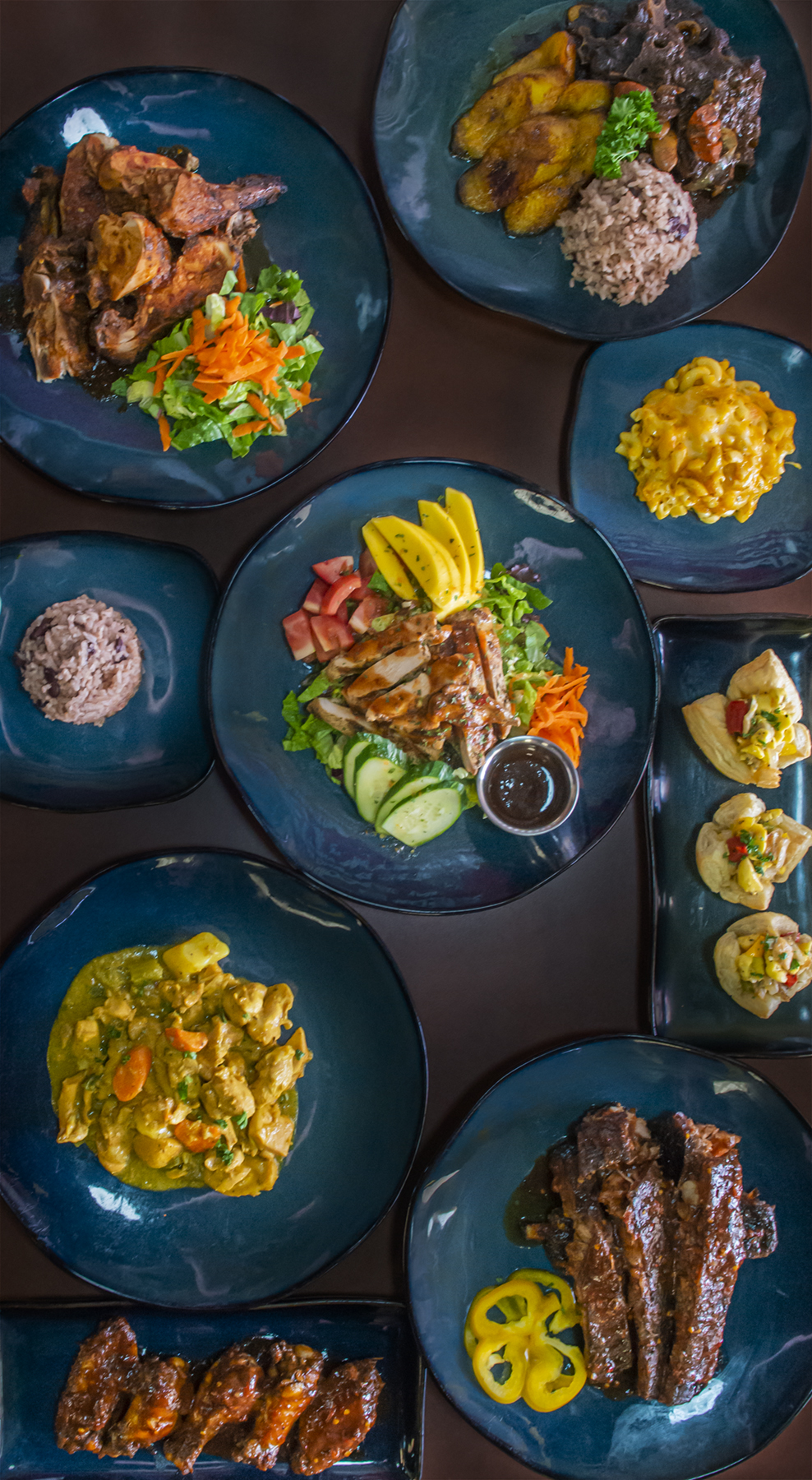
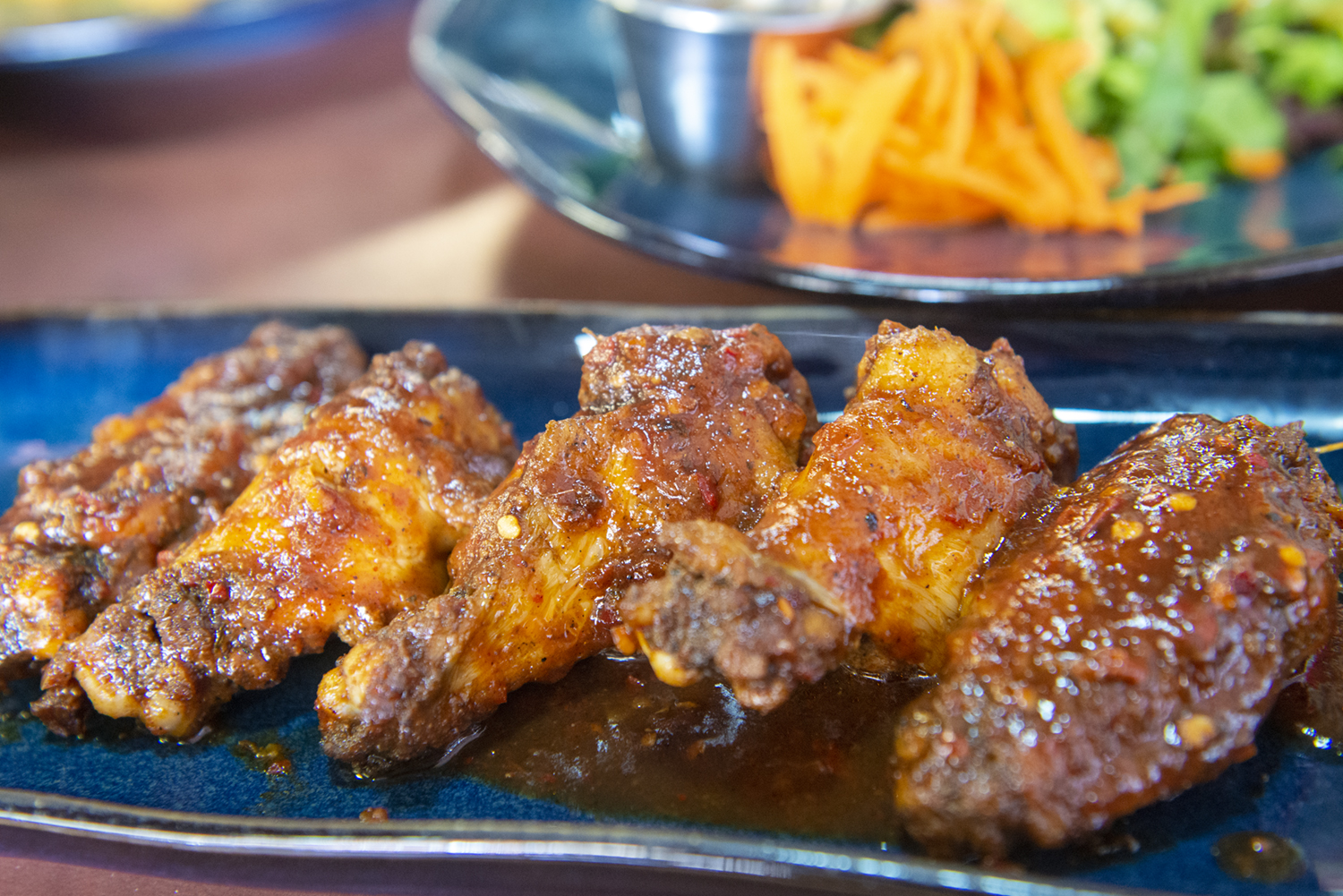

A centennial celebration asks for more than a pretty room and a catered buffet. One hundred years carries weight. It calls for memory, continuity, and a sense that the people gathered are part of a longer story. When that story is rooted in the Caribbean, food becomes more than a meal. It becomes the archive.
That is what makes a well-planned caribbean food centennial caribbean food centennial so compelling. The dishes on the table can hold migration routes, family economies, colonial histories, agricultural knowledge, and church hall traditions all at once. A tray of patties can say something about movement between Jamaica and Britain. A pot of pelau can reveal how rice, pigeon peas, coconut, and caramelized meat became a shorthand for celebration in Trinidadian homes. A cassava pone on a dessert table can carry Indigenous ingredients, African technique, and the sweet generosity of a community gathering.
The most successful centennial events understand this instinctively. They do not treat Caribbean cuisine as a generic tropical category. They respect its distinct islands, languages, faith traditions, and cooking methods. They also understand that heritage comes alive through practical choices, including menu balance, service style, storytelling, and sensory detail.
Why centennial food deserves careful thought
A hundredth anniversary often draws multiple generations into the same room. Elders arrive with strong food memories and high standards. Middle generations want authenticity but also smooth logistics. Younger guests may be encountering some dishes for the first time outside social media clips or a family holiday plate. The challenge is not simply to feed people. It is to create recognition across age groups without flattening the cuisine into stereotypes.
That means the food cannot be reduced to jerk chicken and rum cake, however beloved those dishes are. A centennial menu should feel rooted rather than tokenistic. If the event honors a family association, church, civic group, neighborhood, or institution with Caribbean ties, the meal should reflect the specific communities that built it. Barbados does not eat like Haiti. St. Lucia does not cook exactly like Guyana. Even within one island, the food of a fishing town differs from the food of inland farming districts.
I have seen this distinction matter deeply at heritage events. At one community anniversary, the planners wanted a broad “island menu” to please everyone. The first draft was familiar but vague, heavy on generic grilled items and sweet cocktails. Once they began speaking with the elder committee, the event changed shape. Suddenly there was callaloo because that was served after Sunday services for decades. There was escovitch fish because the founding members sold fish plates at fundraising fairs. There was black cake made from a recipe one member had carried from Grenada in the 1950s. The room changed when those dishes appeared. Guests were not just eating. They were remembering out loud.
Heritage lives in technique, not just ingredients
One of the biggest mistakes in commemorative Caribbean catering is assuming that buying the right ingredients is enough. Heritage cuisine is built through sequence, timing, and heat control. Browning sugar for pelau requires attention. Roti dough needs rest. A proper curry base wants blooming spices, not just powder stirred into cream. Saltfish must be prepared with judgment so it seasons rather than overwhelms. Rice and peas is not ordinary rice with legumes tossed in at the end. It needs coconut milk, aromatics, and the patient absorption of flavor.
These details are what guests notice, even if they cannot always name them. They know when plantains are properly ripened and caramelized rather than simply fried. They know when sorrel tastes layered with clove, ginger, and citrus peel instead of flat and sugary. They know when goat is tender from slow cooking rather than rushed until stringy. In a centennial setting, those distinctions matter because they signal respect.
Technique also shapes the emotional texture of the event. A buffet pan of overcooked festival or dry fried fish can make a heritage menu feel perfunctory. By contrast, one well-made pot of stew peas or a tray of freshly baked coconut bread can anchor the whole room. Guests often forgive limited variety if the core dishes are excellent. They rarely forgive a broad spread that tastes careless.
Building a menu that feels specific
When people speak about “Caribbean food,” they often mean an umbrella category that covers dozens of culinary traditions. For a centennial, the better approach is to choose a center of gravity. That might be one island, one migration stream, one family lineage, or one historic institution. Once that center is clear, the menu can expand outward without losing coherence.
A church founded by Jamaican and Barbadian migrants in the 1920s might feature ackee and saltfish tartlets at a brunch reception, alongside fish cakes, cou cou with gravy, rice and peas, stewed chicken, and black cake. A civic association with strong Trinidadian roots might lean toward doubles for a cocktail hour, then move into pelau, curry channa and aloo, macaroni pie, callaloo, and a dessert table with parsad and coconut drops. A Dominican or Puerto Rican family centennial might focus more heavily on mofongo, pasteles, arroz con gandules, pernil, habichuelas guisadas, and flan or tembleque.
The point is not purity for its own sake. Caribbean food has always moved, mixed, adapted, and borrowed. The point is giving the meal a point of view.
A useful planning frame is to make sure the menu carries several kinds of memory at once:
- a ceremonial dish, the food everyone expects at major gatherings
- an everyday dish, the one that says how people actually lived
- a migration dish, shaped by movement to London, Toronto, New York, Miami, or elsewhere
- a sweet course, because celebration in Caribbean communities is rarely complete without it
- a beverage that feels local, seasonal, or generational
That balance prevents the event from drifting into pure spectacle. It gives guests a fuller picture of heritage, including the ordinary foods that sustained families between the headline celebrations.
The emotional logic of signature dishes
Certain dishes carry disproportionate emotional force at a centennial because they act as edible shorthand for care, endurance, and gathering. Rice and peas is one of them. It appears simple on paper, but at scale it becomes a litmus test for whether the kitchen understands the assignment. If it is fluffy, aromatic, and properly seasoned, people trust the rest of the meal. If it is bland or mushy, the confidence slips.
Soup can be equally powerful, though many planners overlook it. A Saturday-style beef soup, mannish water, fish tea, or pumpkin soup can evoke domestic life more vividly than a showpiece entrée. Soup is often the taste of someone’s grandmother, someone’s recovery, someone’s weekend kitchen. It carries tenderness. In a centennial context, offering soup can quietly say that the event values comfort as much as display.
Dessert often does the heaviest intergenerational lifting. Older guests may head straight for black cake, grater cake, coconut tart, toto, cassava pone, or bread pudding because those sweets are tied to holidays, weddings, and church functions. Younger guests often come around once they taste the depth. A proper black cake, dark with soaked fruit and spice, can turn skeptics into believers very quickly. It is not a casual cake. It announces occasion.
Sourcing ingredients without compromising the result
Authenticity is not a slogan. It often comes down to procurement. Scotch bonnet peppers, fresh thyme, pimento, cassava, green seasoning, callaloo leaves, breadfruit, and good coconut milk are not interchangeable with generic substitutes. Even when substitutions are necessary, they should be made knowingly.
For a large event, the best caterers source from a mix of specialty wholesalers, neighborhood Caribbean markets, and mainstream distributors. That hybrid approach helps maintain both flavor and volume. A common mistake is relying on a single supplier that cannot guarantee consistency in produce or spice quality. Another is underestimating demand for culturally specific items. If your guest list includes several hundred people with Guyanese roots, pepperpot may disappear much faster than projected. If your audience skews older and church-based, homemade-style baked goods often go before plated pastries.
There is also a cost question. Heritage menus can become expensive if planners insist on hard-to-find items out of season. That is where judgment matters. Not every dish needs to be rare or labor-intensive. A centennial menu can be deeply meaningful with a backbone of rice dishes, stews, legumes, and root vegetables, provided they are prepared well and framed thoughtfully. Elegance does not require importing every possible ingredient. It requires restraint and discernment.
Service style shapes the memory
People usually focus on what to serve, but how the food is served determines much of the guest experience. Family-style service can be beautiful for smaller, intimate centennial gatherings because it mirrors the generosity of Caribbean home dining. Platters of fried fish, bowls of salad, and serving dishes of rice passed across the table create immediate warmth. Guests begin talking to one another through the food.
For large events, buffets are often more practical, but they need discipline. Caribbean dishes can suffer quickly under steam-table conditions. Fried items lose their edge. Rice dries out. Sauces split. A good service plan rotates smaller trays more frequently and assigns staff who understand the cuisine well enough to replenish intelligently. The line should move steadily, but no one should feel rushed past the dishes that matter.
Plated service works best when the event leans formal and the kitchen has the capacity to execute with precision. It offers control and elegance, but it can reduce the sensory abundance many people associate with Caribbean celebrations. One plated entrée can look refined yet still feel emotionally spare. That is why some planners compromise with a plated main and a heritage dessert station, or a seated dinner followed by passed bites that reflect family or island specialties.
Music, room temperature, and timing matter too. Caribbean food often shines when guests are relaxed and unhurried. If speeches run long and dinner lands late, even excellent food can feel burdensome. If the room is too cold, hot dishes lose their appeal faster. These are practical details, but they affect the emotional rhythm of the evening.
Storytelling belongs on the table
A centennial meal becomes more memorable when guests understand why certain dishes are there. That does not mean turning dinner into a lecture. It means using subtle cues that connect food to lived history. Menu cards can mention that the sorrel recipe came from the founder’s caribbean food centennial household, or that the saltfish fritters reflect fundraising suppers held in the 1940s. A host can mention, briefly, that breadfruit was chosen to honor the agricultural memory of a particular island community. A photo display near the dining area can show earlier generations cooking for weddings, christenings, and mutual aid events.
The key is proportion. Too much explanatory material can feel staged. Too little, and the significance is lost on younger guests or visitors from outside the culture. The strongest centennial events tend to get this balance right. They trust the food to speak, then give it just enough context to be heard clearly.
One elegant approach is to include one or two “memory dishes” that might not be commercially fashionable but mean a great deal to the community. That could be cornmeal porridge served in small cups at a morning gathering, bakes with saltfish as a late-night station, or tamarind balls wrapped individually at the dessert table. Those touches often spark the best conversations because they surprise people into remembering.
Drinks deserve equal respect
Beverages at heritage celebrations are often treated as an afterthought, which is a missed opportunity. Caribbean drinks carry just as much cultural memory as food. Sorrel, mauby, ginger beer, seamoss, fresh cane juice in some settings, and rum punch all carry regional and generational meaning. Even a simple fruit juice service changes character when it includes soursop, guava, passion fruit, or tamarind.
Alcohol requires some discretion. Rum is woven into many Caribbean festive traditions, but not every centennial audience wants a heavily boozy atmosphere. Church and family events often benefit from a beverage program that gives as much pride of place to nonalcoholic drinks as to cocktails. A deeply spiced sorrel or a sharp homemade ginger beer can feel just as celebratory as a signature rum punch. In fact, guests often remember those drinks more vividly because they are less common and more tied to home preparation.
Temperature and dilution matter. Nothing flattens a punch faster than too much ice too early. Large-format beverage dispensers look festive, but they need monitoring so flavors remain balanced. The same principle applies across the menu. Heritage food is generous, but it is not careless.
Common pitfalls that undermine a centennial menu
Even generous budgets can produce disappointing results if the planning lacks cultural fluency. The problems are usually predictable.
- treating Caribbean cuisine as one interchangeable category
- overloading the menu with fried appetizers and neglecting vegetables, legumes, and starch balance
- choosing visually trendy dishes over the foods guests actually cherish
- underseasoning to “play it safe” for a mixed crowd
- failing to test how dishes hold over time in event conditions
Underseasoning deserves special mention. Many planners fear that robust seasoning will alienate guests unfamiliar with the cuisine. The result is often bland food that satisfies no one. Heat level can be adjusted. Flavor should not be erased. A curry can be fragrant without being aggressively hot. A stew can be deep and savory without numbing the room. Skilled kitchens know the difference.
Another frequent issue is menu fatigue. When every item is rich, brown, fried, or starch-heavy, the meal feels one-note, even if each dish is well made. Bright slaws, cucumber salads, pickled vegetables, fresh herbs, and fruit desserts can provide relief without diluting authenticity. Caribbean cooking has plenty of built-in contrast. Good planning brings that contrast forward.
Feeding several generations at once
A centennial nearly always gathers guests with very different relationships to the food. Some will compare the meal against a matriarch’s kitchen. Some will be curious but inexperienced. Some will care about dietary accommodations, lighter options, or allergen transparency in ways earlier generations never had to consider formally.
This does not require abandoning tradition. It requires intelligent adaptation. Vegetable stews, callaloo, pumpkin rice, bean dishes, roasted fish, and ground provisions can offer substantial options without forcing token “special meals.” If a vegan version of a dish is served, it should be made as a real dish, not as an apology. The same goes for gluten-sensitive or lower-sodium guests. Heritage food can be flexible when approached with respect.
Children also deserve consideration. The easiest route is to hand them generic nuggets and fries, but that breaks the continuity a centennial should nurture. It is often better to give younger guests approachable versions of the main cuisine, such as milder stew chicken, simple rice, sweet plantains, macaroni pie, or soft breads. Children form food memory quickly. A centennial can become the moment when a family dish stops being “old people food” and becomes theirs.
The power of aroma, texture, and pacing
People tend to speak about flavor as if taste were the whole story, but memory often enters through smell first. The scent of thyme hitting hot liquid, the sweetness of coconut baking into a pudding, the warm spice of cloves and allspice rising from sorrel, the sharpness of lime over fried fish, these are what pull guests backward in time before they take a bite.
Texture matters just as much. A meal of uniformly soft foods feels flat. Caribbean cooking at its best gives contrast: crisp fried edges against soft interiors, creamy legumes against firm rice, flaky pastry beside sticky preserves, cool slaw against hot curry. For a centennial, those contrasts keep guests engaged through a long meal and make the spread feel alive rather than institutional.
Pacing should support that sensory arc. A room settles differently when guests begin with something savory and familiar, move into hearty mains, then land on a dessert that feels unmistakably festive. If everything appears at once in oversized quantity, the emotional build disappears. Centennial celebrations benefit from rhythm. Even a buffet can have rhythm if stations are sequenced well and key dishes are replenished at the right moments.
Bringing the past into the present without staging a museum
There is a fine line between honoring heritage and freezing it. Caribbean food has never stood still. Diaspora kitchens use what is available. Families revise recipes for health, cost, time, and taste. A centennial should make room for that reality. A younger chef may plate a classic with more refinement than an elder would have chosen, and still remain faithful to the dish. A baker may reduce sweetness slightly for modern palates while preserving spice, texture, and structure. A bartender may reinterpret sorrel in a way that feels contemporary without losing its backbone.
The test is whether the adaptation deepens the meaning or merely decorates it. If a dish has been transformed so completely that only the label remains, the connection weakens. If the update clarifies the original ingredients and respects the memory attached to them, it can be a gift. This is especially true for diaspora communities whose food histories include adaptation by necessity.
That is why the best caribbean food centennial events often include both classic and current forms. A grandmother’s-style black cake can sit beside miniature coconut tarts designed for easier service. Traditional fish can share the menu with a refined appetizer inspired by the same seasoning profile. Heritage survives through use, not through display alone.
What guests remember years later
Long after the floral arrangements are forgotten, people remember a few sensory truths. They remember whether the food felt honest. They remember whether a dish tasted like home, or taught them something true about where home began. They remember the aunt who cried over the first bite of cassava pone because it matched her mother’s recipe more closely than anything she had tasted in decades. They remember younger cousins arguing over the last fried plantain and then going back for seconds of something they once claimed not to like. They remember the room growing louder as recognition spread from table to table.
That is the real promise of a centennial meal. Not spectacle, not trend, not excess. Recognition.
A Caribbean heritage celebration comes alive when the food carries the full dignity of the people who made the history being honored. That means cooking with specificity, serving with care, and making room for memory in all its forms, public and private. If the meal does that, the event will not feel like a themed function. It will feel like an inheritance being handed forward, warm from the kitchen, into the next hundred years.
Reggae Pot Jamaican Grill
Address: 7562 S University Blvd Unit C, Centennial, CO 80122
Phone: (303) 997-5623
FAQ About caribbean food centennial
What Jamaican dishes can I try in Centennial?
Reggae Pot Jamaican Grill serves Jamaican specialties such as jerk chicken, stewed oxtail, curry goat, and ackee and saltfish. Check the current menu for availability.
What is ackee and saltfish?
It is Jamaica’s national dish. The restaurant prepares ackee with salted cod, onions, thyme, tomatoes, garlic, black pepper, and pimento.
Can I order Jamaican food for pickup in Centennial?
Yes. Choose the Centennial location at 7562 S University Blvd Unit C when placing a takeout order.