Caribbean Food Centennial: Discovering a Century of Authentic Taste

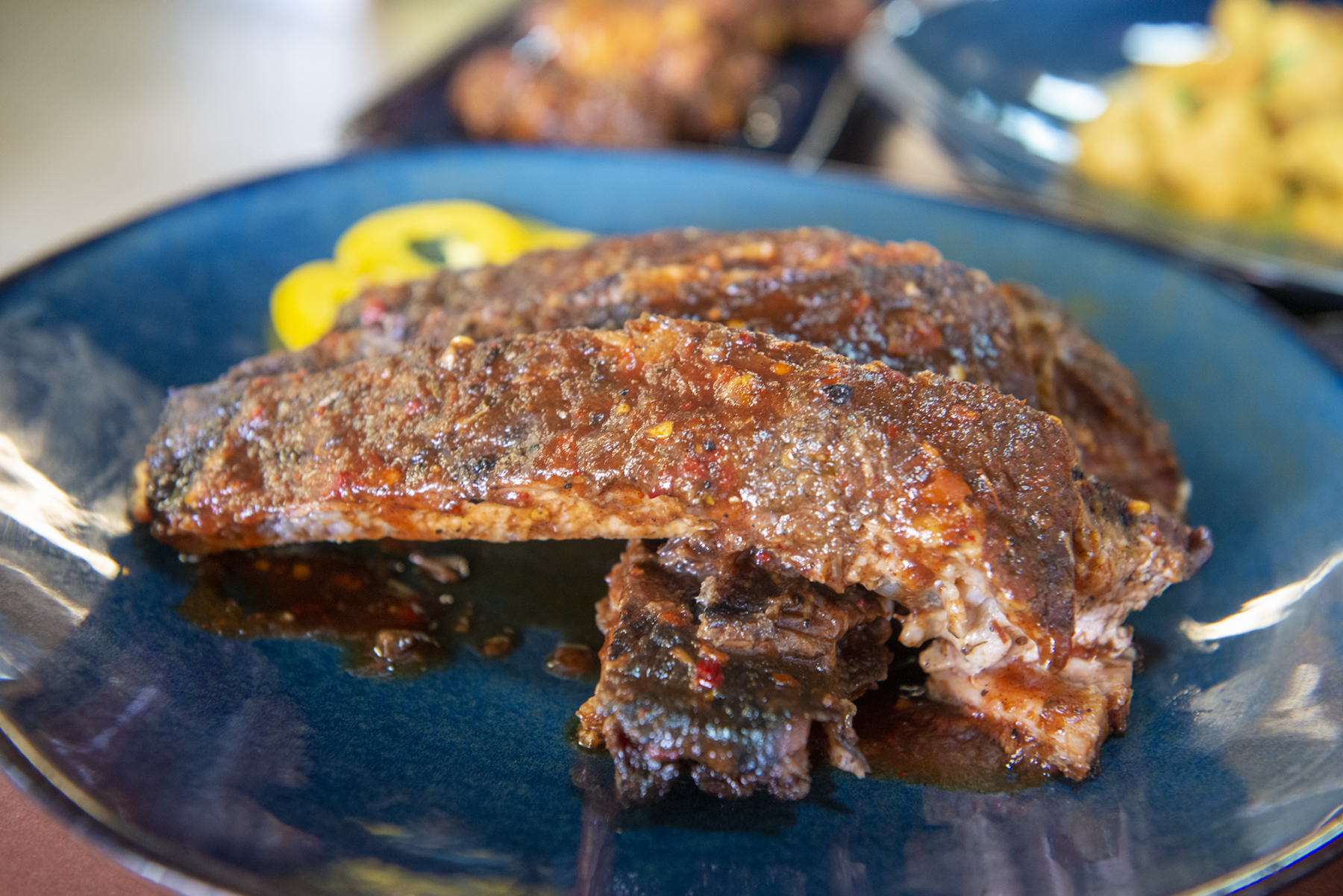
The phrase caribbean food centennial suggests more than a milestone. It calls up a hundred years of kitchens, market stalls, family tables, roadside grills, fishing boats, sugar estates, migration routes, and Sunday pots left to simmer until the whole yard smelled of coconut milk, thyme, and smoke. Caribbean food is often reduced to a few popular dishes or colorful tourist menus, but anyone who has spent real time with it knows the cuisine carries memory in a serious way. It preserves the habits of survival, celebration, trade, scarcity, faith, and invention.
A century is a useful frame because Caribbean cooking has never stood still. The food of the region has absorbed Indigenous knowledge, African technique, European colonial influence, Indian indentureship, Chinese migration, Middle Eastern trading networks, and the constant movement of people between islands and mainland ports. That sounds broad, and it is, but the results are intimate. They show up in the way a grandmother seasons fish without measuring, in the difference between one island’s pepper sauce and the next, and in the stubborn insistence that rice is not just rice when cooked properly.
If you want to understand authentic Caribbean taste, it helps to stop thinking in terms of single signature dishes and start looking at patterns. Heat matters, but not just for heat’s sake. Smoke matters. Acidity matters. Fresh herbs matter. Time matters. So does thrift. Some of the deepest flavors in the region come from recipes built to stretch ingredients, preserve catch, or make humble provisions satisfying after hard labor.
A cuisine shaped by routes, not borders
The Caribbean is often described as a region, but from a food perspective it is better understood as a network. Ingredients and ideas have moved for generations. Salt cod traveled one way, cassava knowledge another. Sugar, rum, citrus, rice, coconut, breadfruit, yam, pigeon peas, Scotch bonnet peppers, all of them became part of a living conversation rather than a fixed canon.
That is why authenticity in Caribbean food can be tricky to discuss carelessly. There is no single Caribbean plate. Jamaica, Trinidad and Tobago, Barbados, Haiti, Cuba, Puerto Rico, the Dominican Republic, Martinique, Guadeloupe, Saint Lucia, Grenada, and many others share threads, but they do not cook the same way. Even within one island, the food of a coastal town and an inland farming district may feel like different culinary languages. One cook swears by allspice, another leans on green seasoning, another reaches first for sour orange, culantro, or epis.
The region’s food history over the past hundred years is also a history of adaptation. Imported staples became local comforts. Local ingredients met foreign techniques. Economic hardship forced substitution, and substitution often became tradition. If saltfish was what was available, people learned to make it craveable. If breadfruit was abundant, it found its way into breakfast, lunch, and supper. If cane workers needed sustaining meals, stews thickened and portions centered on starches that held the body through heat and labor.
For cooks, this history teaches a useful lesson. Authenticity is not rigid imitation. It is fidelity to flavor logic, context, and technique. A dish can evolve and still be true to its roots if the cook understands what makes it work in the first place.
The backbone ingredients that carry a century of flavor
Spend enough time eating across the Caribbean and certain ingredients appear again and again, though never in exactly the same role. They are less like a universal pantry and more like recurring anchors.
Scotch bonnet and other hot peppers bring fruitiness as much as fire. Their value is often misunderstood by cooks who treat them as blunt instruments. In experienced hands, the pepper perfumes a pot even when left whole. Thyme does similar work, adding a savory lift that can make a stew taste complete. Garlic, scallion, onion, and ginger build the base. Coconut milk softens edges and rounds out spice. Lime and sour orange wake up fish, brighten marinades, and cut richness. Allspice, cloves, cinnamon, and nutmeg remind you that sweet and savory are not always separated cleanly in Caribbean kitchens.
Then there are the starches and provisions, the real foundation of many meals. Rice, peas, plantain, cassava, sweet potato, green banana, yam, breadfruit, dumplings, and ground provisions in general do more than fill space on a plate. They absorb sauces, temper salt, and balance spice. They are practical, cultural, and deeply comforting.
One of the clearest signs of a cook who understands the cuisine is restraint with seasoning. This sounds paradoxical because Caribbean food is celebrated for boldness, but boldness is not the same as excess. Too much dried spice muddies a curry. Too much salt overwhelms saltfish before the dish even begins. Too much sweetness can flatten a pepper sauce. The older generation of cooks, especially those who learned in homes where ingredients were expensive or limited, tend to season with remarkable confidence and economy.
Fire, pot, patience
Technique matters as much as ingredients. Caribbean food developed through methods that reward patience. Marinating overnight is common not because it is fashionable but because it works. Slow braising makes tough cuts edible and delicious. Open-fire grilling gives jerk, fish, and roasted corn their essential character. Frying is used with confidence, but so are steaming, simmering, and one-pot cooking.
I have always thought one of the finest expressions of Caribbean judgment shows up in browning. Browning sugar for stews, taking onions just to the edge, allowing meat to color deeply before liquid goes in, these moves separate flat food from food with depth. They require attention because the line between rich and burnt can be thin, especially in a hot kitchen. Yet that slight bitterness, handled properly, can be the difference between a pleasant stew and one that tastes like it belongs to someone’s family.
The same applies to green seasoning and marinades. In Trinidad, for example, green seasoning is not simply an herb paste. It is an identity marker. Every household has a version, and the differences matter. Some add celery, some do not. Some are heavy on chadon beni, where available. Some use vinegar lightly, others prefer lime. A similar story unfolds with sofrito, epis, jerk seasoning, or recaito in different parts of the Caribbean sphere. These are not background condiments. They are the first layer of thought.
The dishes that tell the story
Ask ten people to name iconic Caribbean dishes and you will hear familiar answers, but their significance lies in what they reveal. Jerk speaks to Indigenous smoking methods, African seasoning sensibility, and the practical need to preserve and flavor meat. Pelau captures one-pot efficiency, caramel depth, and social warmth. Rice and peas, often misunderstood abroad as simple side fare, demonstrates the region’s instinct for layering coconut, aromatics, and starch into something central rather than secondary.
Callaloo tells another kind of story. Depending on where you are, it may refer to a leafy stew, a soup, or a dish tied to dasheen bush, okra, crab, coconut milk, and a very particular texture. Ackee and saltfish shows how an imported preserved fish and a local fruit became inseparable in one national imagination. Flying fish and cou cou, doubles, patties, mofongo, griot, souse, curried goat, bake and shark, pepperpot, conch salad, rundown, and black cake each carry a different chapter of the region’s history.
What matters is not to flatten these foods into postcard symbols. A patty from a bus stop bakery, hot and slightly flaky, tells you something different from a neatly plated restaurant version. So does a bowl of fish broth eaten after rain, or a plate of oil down served at a gathering where everyone insists theirs is the proper way. Authenticity often lives in these lived moments rather than in polished presentation.
What changed over the last hundred years
Looking across the last century, several shifts stand out. Urbanization changed how people shopped, cooked, and ate. Refrigeration altered preservation habits, though not all at once or evenly. Migration expanded the geography of Caribbean food, planting it in London, Toronto, New York, Miami, Amsterdam, and beyond. Restaurants adapted recipes to new ingredients, customer expectations, and labor realities. Home cooks improvised when they could not find the exact yam, fish, pepper, or herb they grew up with.
Commercial seasoning mixes also changed the landscape. Some save time and can be useful, especially for busy households, but they rarely capture the freshness or balance of scratch-made blends. There is a trade-off here. A working parent in a city may not have the luxury to grind, blend, and marinate for hours after a long shift. That reality deserves respect. At the same time, when convenience products become the norm, subtle regional knowledge can thin out. Children may learn the name of a brand before they learn why thyme should go in early and scallion later.
Health awareness has brought another change. Many cooks now use less salt, less oil, and leaner cuts. Sometimes the results are excellent. Sometimes flavor suffers because the adjustment stops at subtraction rather than rebalancing. Reduce salt in a stew, for instance, and you may need more acidity, more herbs, or better browning to maintain structure. Good Caribbean cooking has always involved judgment. Modernizing it requires the same.
A practical way to think about a century of change is this:
- The core flavor principles endured even when ingredients shifted.
- Diaspora communities preserved dishes while also transforming them.
- Convenience products increased access but sometimes narrowed technique.
- Restaurant culture raised visibility but occasionally softened rougher, truer edges.
- The strongest cooks learned adaptation without surrendering character.
That balance is what keeps the cuisine alive rather than frozen in nostalgia.
The diaspora and the taste of memory
No honest discussion of the caribbean food centennial idea is complete without the diaspora. Some of the most powerful Caribbean meals are cooked far from the sea. In immigrant neighborhoods, food often serves as archive, business, comfort, and proof of belonging all at once. Small groceries become cultural lifelines. They stock spice buns, frozen cassava, tamarind balls, sorrel, saltfish, and the right brand of coconut milk not because these are luxuries, but because they anchor people.
Diaspora cooking introduces its own trade-offs. Climate changes the produce. Fish availability changes. Local regulations affect what can be sold and how it is prepared. A jerk pan in a cold North American winter behaves differently from one in tropical heat. Mangoes taste different. Thyme may be the same species but not the same strength. Yet these constraints often sharpen a cook’s instincts. They learn what can be substituted and what absolutely cannot.
I have seen cooks defend tiny choices with the seriousness of historians. The right flour for roti matters. The cut of goat matters. Whether the rice should be firmer or softer matters. Outsiders sometimes mistake this as fussiness. It is not. It is a form of preservation. When people move, recipes absorb pressure. Some survive only because someone insists, kindly but firmly, that no, this is not how the dish is supposed to taste.
At the same time, the diaspora has expanded the cuisine in productive ways. New restaurant formats, fusion experiments, and ingredient access have introduced Caribbean flavors to wider audiences. Some results are superficial, but others are genuinely thoughtful. A chef who understands the structure of escovitch, for example, can apply its logic beyond the original dish without stripping it of meaning. That is evolution, not erasure.
How to recognize authentic taste without romanticizing it
People often ask what makes Caribbean food authentic. The answer is partly sensory and partly contextual. Authentic taste is usually layered rather than loud. Spice should have shape. Heat should mean something. Sweetness should not feel accidental. Smoke, acid, salt, and herbs should pull in the same direction. Textures matter too. Plantains should not all eat the same. Fried fish should crackle outside and stay moist within. Rice should carry aroma, not just color.
It also helps to pay attention to these signs when eating or cooking:
- The seasoning tastes integrated, not sprinkled on as an afterthought.
- The starch and the sauce belong together rather than occupying separate worlds.
- Heat supports flavor instead of burying it.
- The dish reflects a recognizable cooking logic, even if the presentation is modern.
- The cook can explain why each key step matters.
That last point matters more than people realize. A cook with command usually has reasons. The fish is scored to let seasoning penetrate. The peas are cooked first caribbean food centennial for texture. The sugar is browned to deepen the stew. The pepper is left whole so the pot gets fragrance without becoming punishing. Technique and intention create authenticity more reliably than labels do.
Still, romanticizing authenticity can become its own problem. Traditional food is not automatically better in every instance. Some old methods emerged from necessity, not preference. Some recipes benefit from modernization, cleaner technique, or gentler handling of oil and salt. Respecting tradition should not mean refusing improvement. It should mean understanding what deserves protection and what can adapt without loss.
If you want to cook the century on your own stove
Cooking Caribbean food well at home starts with patience and observation. Recipes can guide you, but they rarely capture the whole picture. The cuisine depends heavily on smell, sound, and visual cues. You need to know what onions look like when they are ready for curry, how thick coconut milk should feel in a simmering pot, and when a pepper has infused enough flavor without breaking apart.
A common mistake is trying to shortcut the base. If the aromatics are underdeveloped, the dish never catches up. Another is overcomplicating the spice cabinet. Many strong Caribbean dishes rely on a handful of ingredients used properly rather than a crowded blend. Good thyme, fresh scallion, onion, garlic, hot pepper, citrus, black pepper, and a measured hand can take you remarkably far.
There is also a lesson in cooking the same dish repeatedly. The first pot of rice and peas may be decent. By the fourth or fifth, you begin to understand how coconut milk behaves with your rice, your stove, your pot, and your preferred texture. The same goes for curry, stewed chicken, pelau, or fish tea. Caribbean cooking rewards repetition because it developed in homes where people cooked from experience, not from printed precision alone.
If your goal is to honor the spirit of a caribbean food centennial at home, focus on depth over variety. Learn one stew properly. Learn one rice dish properly. Learn one pepper sauce or green seasoning that you can trust. Build from there. The cuisine opens up when you stop collecting recipes and start building instincts.
Why the next hundred years will depend on memory and rigor
Caribbean food is enjoying wider recognition than it once did, and that is worth celebrating. Yet visibility brings risk. The more popular a cuisine becomes, the caribbean food centennial easier it is for it to be simplified, sweetened, toned down, or repackaged for convenience. Menus may flatten island distinctions. Store-bought sauces may replace technique. Dishes may survive in name while losing structure.
That is why the work of preserving taste is practical, not sentimental. It lives in documenting family recipes before elders are gone. It lives in supporting cooks who keep traditional methods alive even when those methods are slower or less scalable. It lives in teaching younger generations not just what a dish is called, but how it should smell when it is nearly ready.
A century of Caribbean taste has been built through repetition, migration, ingenuity, and pride. It has survived plantation economies, scarcity, storms, urban change, and distance. Few cuisines show resilience so clearly on the plate. You taste it in the smokiness of jerk, the dark richness of a good stew, the brightness of lime over fried fish, the comfort of provisions cooked until tender, and the unmistakable seriousness of a cook who knows exactly when the pot is right.
The real gift of thinking about a Caribbean food centennial is that it reminds us food is both history and method. It is not enough to admire the dishes. We have to understand how they were made, why they matter, and what they ask of the person cooking them. When that happens, Caribbean food stops being a category and becomes what it has always been, a living record of people who turned movement, hardship, abundance, and joy into unmistakable flavor.
Reggae Pot Jamaican Grill
Address: 7562 S University Blvd Unit C, Centennial, CO 80122
Phone: (303) 997-5623
FAQ About caribbean food centennial
What Jamaican dishes can I try in Centennial?
Reggae Pot Jamaican Grill serves Jamaican specialties such as jerk chicken, stewed oxtail, curry goat, and ackee and saltfish. Check the current menu for availability.
What is ackee and saltfish?
It is Jamaica’s national dish. The restaurant prepares ackee with salted cod, onions, thyme, tomatoes, garlic, black pepper, and pimento.
Can I order Jamaican food for pickup in Centennial?
Yes. Choose the Centennial location at 7562 S University Blvd Unit C when placing a takeout order.