Caribbean Food Centennial: The Story Behind the Islands’ Best Dishes
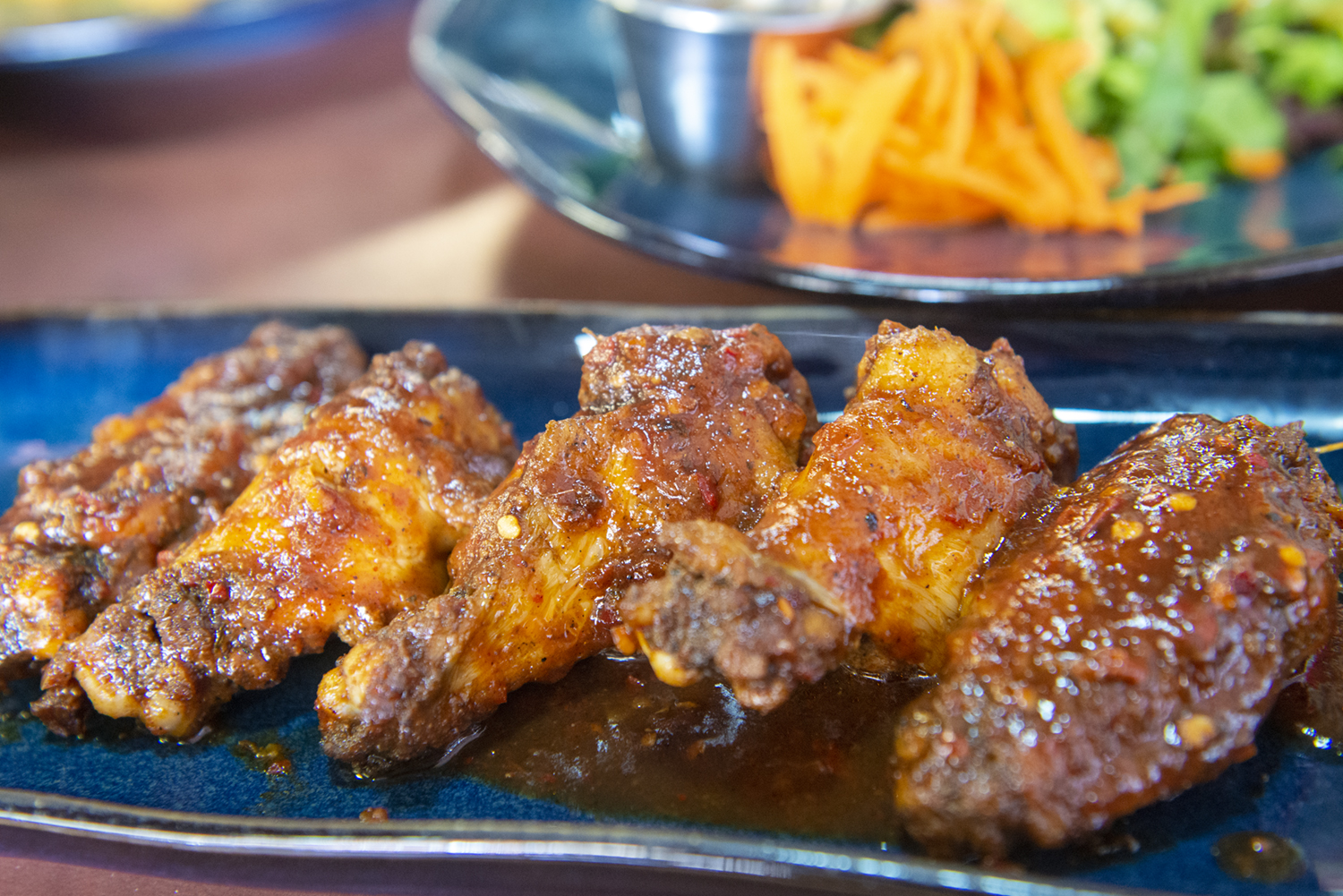
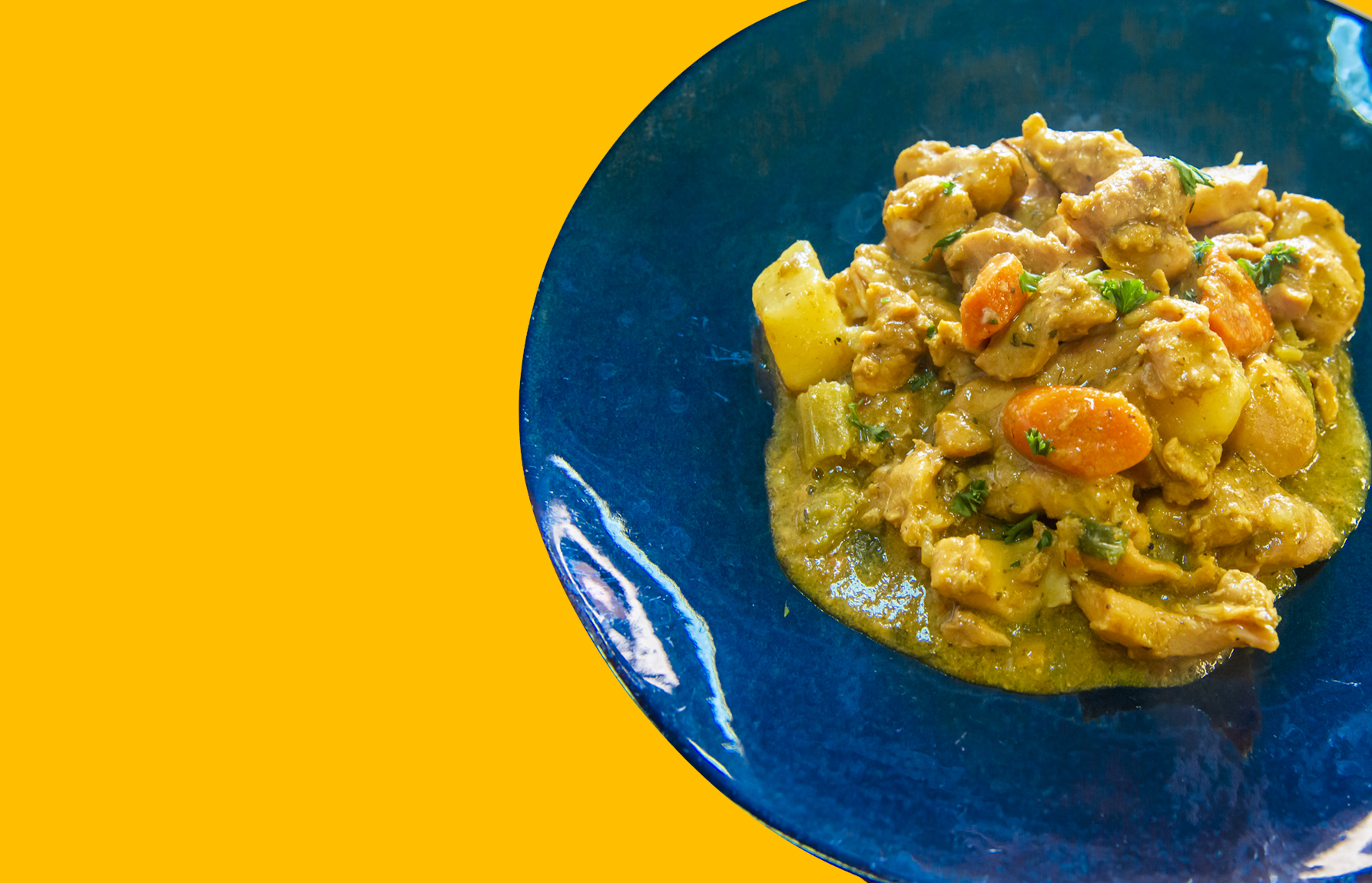
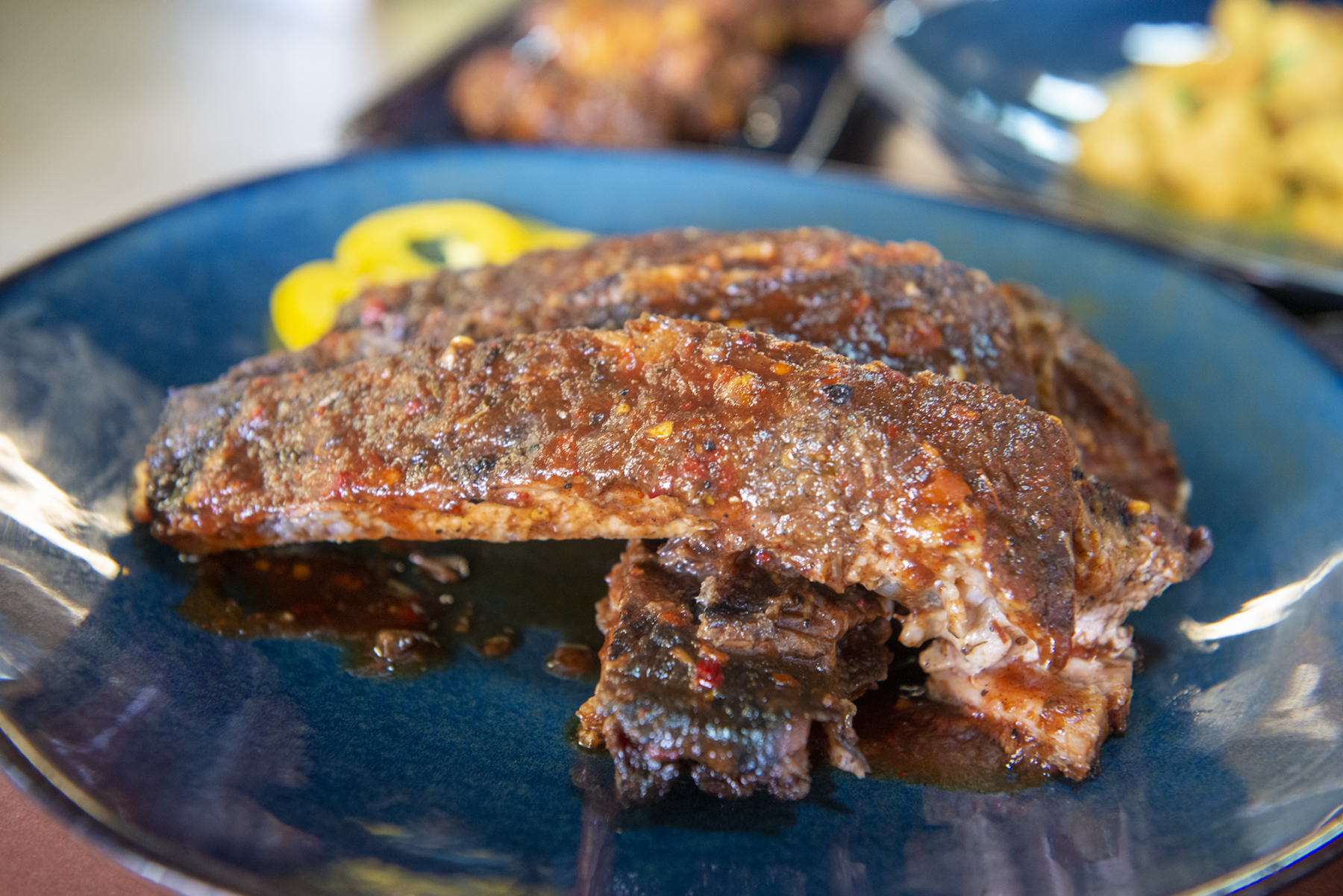
A century is a useful span for understanding Caribbean food. One family recipe can cross that distance. So can a shipping route, a labor migration, a sugar boom, a hurricane, a wartime shortage, or a new wave of tourism. Put a hundred years under the microscope and the food of the islands stops looking like a collection of postcard dishes and starts reading like a record of survival, adaptation, memory, and appetite.
The phrase caribbean food centennial suggests a celebration, and it should. The region has given the world some of its most vivid flavors, from jerk smoke in Jamaica to the clean citrus bite of ceviche in coastal communities with Caribbean ties, from Trinidad doubles sold at daybreak to Puerto Rican pasteles assembled in a full day of family work. Yet a centennial lens does something more valuable than praise. It reveals how these dishes became what they are. It shows why the same ingredient can mean comfort in one island, status in another, and hardship in a third. It explains why the best Caribbean cooking is rarely just about heat or sweetness, despite the lazy stereotypes that still flatten it.
Across the islands, the past hundred years brought dramatic change. Colonial structures weakened but did not disappear. Rural life gave way, in part, to urban migration. Imported goods became easier to find, then harder during moments of crisis, then common again. Hotels shaped public taste. Diaspora communities carried recipes to London, New York, Toronto, Miami, and Amsterdam, where ingredients shifted and techniques bent without breaking. Through it all, the dishes that endured did so because they could hold many truths at once. They could be celebratory and frugal. They could be local and global. They could preserve ancestry while absorbing whatever arrived on the next boat.
The Caribbean table was never built from one history
Anyone who has cooked seriously from across the Caribbean knows that there is no single island pantry and no single island story. The region’s foodways were formed by Indigenous knowledge, African culinary memory, European colonial systems, South Asian indentured labor, Chinese migration, Levantine commerce, and constant exchange within the basin itself. Cassava, maize, peppers, and seafood sat alongside salt cod, rice, onions, coconut, plantains, curry powders, breadfruit, and cane sugar. The result was not fusion in the fashionable restaurant sense. It was a long, practical negotiation shaped by what people could grow, catch, preserve, afford, and pass on.
That practical side matters. Some of the most beloved dishes in the region rose from conditions that were anything but romantic. Salt fish became central in many islands because it was cheap, durable, and heavily traded. Off-cuts and tougher meats became delicacies only after generations of cooks learned how to season, braise, smoke, and tenderize them with skill. Ground provisions, the Caribbean term used in many places for root crops like yam, cassava, dasheen, eddoe, and sweet potato, fed working households because they stored well and filled stomachs. Rice entered and stayed because it stretched stews and absorbed bold gravies.
When people talk about authenticity in Caribbean cooking, they often speak as though recipes descended intact from the sky. In reality, the most authentic thing about the region’s food is its ability to change without losing itself.
Jerk, from preservation method to national shorthand
Few dishes carry more global recognition than Jamaican jerk, and few are more frequently misunderstood. Outsiders often reduce jerk to a bottled flavor, spicy and smoky, useful on chicken and little else. But jerk began as a method before it became a label. It involved seasoning and slow cooking meat, traditionally over pimento wood, in a way that preserved moisture, developed smoke, and made use of local aromatics and pepper heat. The technique is deeply associated with the Maroons, whose food knowledge emerged under conditions of resistance and refuge in Jamaica’s interior.
Over the past hundred years, jerk moved from localized practice to island emblem and export category. Roadside jerk centers became part of everyday life. Urban demand favored chicken because it cooked caribbean food centennial faster and cost less than pork. Drum pans and steel grills replaced older pits in many commercial settings. Scotch bonnet, allspice, thyme, scallion, ginger, and sometimes soy or vinegar formed modern marinades that balanced tradition with convenience. What did not change was the central logic. Jerk is about layered seasoning and controlled fire, not just brute spice.
The best jerk still reflects judgment more than formula. Too much sugar in a modern marinade burns before the meat colors properly. Too much wet seasoning can steam rather than roast. A cook who understands smoke will manage distance from heat, air flow, and resting time with the same care a baker gives dough. That kind of knowledge rarely makes it into tourism copy, but it is why one roadside stop can be unforgettable while another tastes merely hot.
Trinidad and Tobago’s genius for street food
If Jamaica gave the world one of the most famous grill traditions, Trinidad and Tobago built one of the Caribbean’s sharpest street food cultures. Doubles are a perfect case study in what a century can do to a humble food. The dish, now iconic, draws from Indo-Trinidadian culinary practice: bara, a soft fried flatbread, folded around curried channa, then finished with pepper sauce, kuchela, tamarind, cucumber, or chutneys according to the vendor and customer. It is fast, filling, inexpensive, and endlessly adjustable.
Doubles became what they are because of urban work rhythms, market culture, and the practical need for portable food. Over decades, the format tightened into something almost architecturally precise. The bara must be pliable enough to fold without tearing. The chickpeas need body but cannot be dry. The sauces must cut richness without drowning the whole structure. Every experienced doubles eater has seen what happens when balance fails. A heavy hand with tamarind can make the bread collapse. Chickpeas cooked to mush lose contrast. Cold bara makes the entire thing dull.
What is striking about doubles, and about Trinidadian food more broadly, is how comfortably it expresses layered history in ordinary daily eating. Roti, pelau, corn soup, and stewed meats all show the same quality. They are not museum pieces. They are living foods designed for appetite, pace, and pleasure. Over the past hundred years, these dishes have traveled well because they answer modern needs without surrendering their roots.
Puerto Rico’s holiday dishes carry time inside them
In Puerto Rico, some of the most revealing foods are seasonal. Pasteles and arroz con gandules are not simply holiday dishes because the calendar says so. They are holiday dishes because they require collective labor, patience, and advance planning, all of which signal abundance in a region that has often had to make abundance from difficulty.
Pasteles tell that story clearly. Their masa may use green banana, plantain, yautía, pumpkin, or combinations that vary by family and town. The filling often includes seasoned pork, though there are many versions. They are wrapped, tied, and boiled, a process that can turn a kitchen into an assembly line of cousins, aunts, neighbors, and music. Over the last century, freezer storage and supermarket access changed the schedule, but not the social meaning. Many families still make dozens at once because one or two would miss the point.
Mofongo, another Puerto Rican classic, shows a different trajectory. Built from fried green plantains mashed with garlic and pork cracklings or other savory elements, it reflects Afro-Caribbean technique and Spanish colonial ingredients reshaped into a local staple. In the last few decades, restaurant culture expanded mofongo into a menu platform, stuffed with seafood, skirt steak, octopus, or creole sauces. Some of those versions are excellent. Some are overbuilt, treating the plantain base as a prop for luxury toppings. The strongest versions respect the core texture: not purée, not chunks, but a rough, cohesive mash that can catch broth and still stand on its own.
Cuba, the Dominican Republic, and the grammar of everyday meals
Not every great dish needs a dramatic origin story. Sometimes the most important Caribbean foods are the ones served on a Tuesday at two in the afternoon. Cuban arroz congrí or moros y cristianos, Dominican la bandera, stewed beans, roast chicken, fried plantains, cassava with mojo, soups built from root vegetables and meat, these are the foods that teach you how a place actually eats.
Over the past century, these everyday plates absorbed political and economic upheaval more directly than prestige dishes did. When imports tightened, cooks adjusted fats, proteins, and seasonings. When migration changed household labor, recipes shortened or shifted. Pressure cookers transformed bean cookery in many caribbean food centennial homes because they cut fuel use and time. Tomato paste entered where fresh tomatoes were expensive or out of season. Bouillon cubes, often dismissed by purists, became realistic pantry tools in working kitchens across the region.
There is a tendency among food writers to celebrate the rare and ceremonial while treating daily meals as background. That misses the point. The backbone of Caribbean cuisine lies in repetition and refinement. A well-made pot of beans tells you a great deal about local taste: how much oregano or culantro enters the base, whether sweetness is tolerated, how thick the broth should be, how rice is expected to behave beside it. These are not small questions. They are culinary grammar.
Haiti’s depth is often overlooked, but never by those who know it
Haitian food deserves far more careful attention than it usually receives in mainstream writing about the Caribbean. Dishes such as griot, diri ak djon djon, soup joumou, and tassot show extraordinary range in technique and symbolism. Griot, with its marinated pork, slow cooking, and final crisping, demonstrates balance between acidity, aromatics, and texture. Diri ak djon djon, black mushroom rice, brings an earthy perfume unlike anything else in the region. Soup joumou carries historical force, linked to independence and dignity as much as flavor.
A centennial perspective makes Haitian cuisine especially compelling because it has endured repeated disruption while preserving very strong identity. In practice, that means cooks have often had to substitute intelligently without flattening flavor. If the exact cut of meat is unavailable, the marinade still matters. If imported goods are scarce, local starches and herbs step forward. That resilience is not accidental. It is built into the cuisine.
Anyone serious about Caribbean food should spend time understanding epis, the Haitian seasoning base of herbs, peppers, garlic, onion, and other ingredients, because it demonstrates a principle common across the region. Foundational flavor is built before heat touches the pot. The dish’s success depends on that base more than on any last-minute garnish.
The sea feeds the islands, but not always in the same way
It is easy to assume that island cooking naturally means abundant seafood on every table. Reality is more uneven. Coastline, reef health, trade patterns, class, and local preference all shape how marine ingredients appear in daily life. In some communities, fish stews and fried snapper are central. In others, imported meats and preserved fish have historically mattered more than fresh catch. Lobster may symbolize luxury in one place and local practicality in another, depending on the era and the market.
Flying fish in Barbados, conch in The Bahamas, escovitch fish in Jamaica, rundown with mackerel or snapper in parts of the western Caribbean, crab and callaloo combinations in coastal zones, these dishes remind us that seafood is not a single category. Techniques differ as much as ingredients do. Frying creates one kind of social food, especially where beachside vendors serve fish fresh from the oil. Coconut stewing creates another, slower and more domestic. Pickling or vinegar-based dressing extends shelf life while sharpening flavor in hot climates.
Over the past hundred years, pressure on fisheries and the rise of export demand changed local seafood habits. Some once-common ingredients became expensive. Tourism encouraged a menu version of “Caribbean seafood” that often favored spectacle over regional truth. The most thoughtful cooks today are navigating that tension carefully, honoring tradition while acknowledging ecological limits.
Breadfruit, cassava, and the quiet authority of starch
Spend enough time eating across the Caribbean and you realize that starch is never an afterthought. It anchors the meal, structures the plate, and often carries as much cultural weight as the protein. Breadfruit, cassava, yam, green banana, rice, dumplings, festival, bammy, fungi, cou-cou, provision mixes, these are not supporting actors. They define the meal’s character.
Breadfruit offers a good example of how one ingredient can travel through a century of meanings. In some places it was associated with subsistence and backyard cooking, then later rediscovered by chefs and food policy advocates as a climate-smart crop with serious culinary potential. Roasted breadfruit with salt fish, fried breadfruit with stew, breadfruit boiled and dressed simply, all of these forms show how versatile the ingredient is. What changed over time was not just technique, but status. Foods once dismissed as old-fashioned are now being reevaluated for nutrition, resilience, and flavor.
Cassava has followed a related path. Indigenous to the wider region and foundational long before colonial rule, it survives in forms such as bammy, cassava bread, pone, and cassareep-related traditions in parts of the Caribbean world. Over a hundred years, wheat flour and imported breads pushed some cassava traditions to the margins, yet they never disappeared. That endurance says something important. Foods tied to land knowledge often outlast fashion.
Spice is only part of the story
One of the longest-running misconceptions about Caribbean food is that it can be reduced to “spicy.” Scotch bonnet and other hot peppers certainly matter. They bring fruitiness, heat, aroma, and identity. But most island cuisines are more interested in seasoned food than merely fiery food. Herbs, alliums, citrus, smoke, vinegar, coconut, browning, and time are just as important.
A proper brown stew, whether in Jamaica or in related forms elsewhere, depends on caramelization and depth, not only pepper. A Trinidad curry succeeds because the spices are cooked correctly in fat and the green seasoning carries freshness, not because the dish scorches the tongue. Even pepper sauces vary widely. Some are raw and sharp, others fermented or cooked, some fragrant with mustard, papaya, or carrot, some built for a few drops and others for spooning.
This distinction matters because it separates caricature from craft. When cooks are forced to perform “Caribbean flavor” for outside audiences, heat often gets exaggerated while nuance gets lost. The better kitchens resist that flattening.
Migration changed the islands, and the islands changed the cities abroad
No centennial story about Caribbean food is complete without the diaspora. Large-scale movement throughout the 20th century carried island dishes into new climates, new labor systems, and new ingredient markets. That changed the food in both directions. A Jamaican patty in Toronto, a Trinidad roti in Brooklyn, a Haitian griot plate in Miami, a Dominican lunch counter in Upper Manhattan, these are not copies floating outside history. They are part of the history now.
The diaspora preserved dishes that might otherwise have narrowed under local pressure. At the same time, it introduced shortcuts and substitutions that later looped back to the islands. A seasoning blend developed in New York could influence home cooking back in Kingston or Port of Spain. Commercial bakeries standardized some products while home cooks doubled down on handmade methods as a point of pride. Frozen grated root vegetables, canned ackee, packaged curry blends, and industrial pepper sauces all expanded access, even if they changed texture or complexity.
There is always a trade-off in these adaptations. Convenience makes a cuisine portable, but portability can smooth away regional detail. The strongest Caribbean cooks abroad understand where compromise is harmless and where it costs too much.
What the last hundred years reveal about the islands’ best dishes
Look across the region and certain patterns emerge. The most enduring dishes are rarely the most extravagant. They are the ones built on technique, memory, and flexibility. They can survive ingredient shortages. They can feed a crowd. They can move from rural yard to city stall to restaurant menu without losing their center. They invite argument, which is often the surest sign that people still care deeply about getting them right.
Several qualities show up again and again in the dishes that lasted:
- a strong seasoning base, often made before cooking begins
- a starch that gives the meal structure and staying power
- methods designed for tenderness, preservation, or both
- flavors that balance heat, acid, savoriness, and sweetness with intention
- room for local variation without total loss of identity
That is why the story behind the islands’ best dishes is not just a story about taste. It is about systems. Agriculture, trade, labor, memory, religion, celebration, and migration all sit at the same table. You taste them whether you realize it or not.
The centennial lens matters now because the next century is already arriving
Caribbean food is entering another period of visible change. Climate pressure is reshaping farming and fisheries. Younger cooks are revisiting older ingredients with fresh confidence. Diners are asking sharper questions about provenance, labor, and sustainability. At the same time, social media rewards visual drama and simplified narratives, which can distort complex food traditions into a handful of easy labels.
That makes a thoughtful caribbean food centennial conversation more than a branding exercise. It is a chance to ask what deserves protection, what can evolve, and who gets to define the future of the cuisine. Breadfruit and cassava may become more prominent again. Indigenous and Afro-Caribbean foundations may receive long overdue credit. Street food vendors may continue to drive innovation more than hotel kitchens do. Diaspora chefs may keep building bridges that older gatekeepers once resisted.
The dishes most likely to endure are the ones rooted in real use. Jerk will survive because people still gather around smoke and spice. Doubles will survive because they solve hunger quickly and beautifully. Pasteles will survive because families keep making time for one another around the work. Rice and peas, pelau, stewed beans, fried fish, griot, mofongo, cassava bread, breadfruit, all of them remain relevant because they answer needs that have not changed all that much in a hundred years. People still want food that satisfies, remembers, and adapts.
The Caribbean has always excelled at that kind of cooking. Its best dishes are not relics. They are proofs of life, sharpened by history and carried forward by hands that know exactly why each step matters.
Reggae Pot Jamaican Grill
Address: 7562 S University Blvd Unit C, Centennial, CO 80122
Phone: (303) 997-5623
FAQ About caribbean food centennial
What Jamaican dishes can I try in Centennial?
Reggae Pot Jamaican Grill serves Jamaican specialties such as jerk chicken, stewed oxtail, curry goat, and ackee and saltfish. Check the current menu for availability.
What is ackee and saltfish?
It is Jamaica’s national dish. The restaurant prepares ackee with salted cod, onions, thyme, tomatoes, garlic, black pepper, and pimento.
Can I order Jamaican food for pickup in Centennial?
Yes. Choose the Centennial location at 7562 S University Blvd Unit C when placing a takeout order.